Drive Bright Night Driving Glasses Review: Do They Really Help With Headlight Glare?
A practical look at Drive Bright's advertised anti-glare lenses, wraparound coverage, comfort, prescription-glasses compatibility and the claims shoppers should understand before buying.
Check Drive BrightAffiliate disclosure: This page may earn a commission if you purchase through our links, at no additional cost to you.

Product image shown for reference. Confirm current product details with the seller.
What Are Drive Bright Night Driving Glasses?
Drive Bright is a pair of yellow-tinted, wraparound night driving glasses marketed for people who find bright headlights, streetlights and reflections uncomfortable after dark. The supplied reference page positions the glasses around glare reduction, low-light visibility, comfort and compatibility with prescription eyewear.
The central idea is simple: instead of changing your prescription, the glasses add a tinted optical layer intended to make intense light sources feel less distracting. The seller describes its lens approach as “GlareCut” technology and says the design is intended to reduce glare from LED and high-beam headlights while maintaining useful detail in darker environments.
That distinction matters. These glasses should be viewed as comfort-oriented eyewear rather than a replacement for an eye examination, prescription lenses or safe driving practices. Individual results can vary because glare sensitivity, eyesight, windshield condition, road lighting and weather all influence the driving experience.
Our Quick Take
Check Today’s Drive Bright Deal
Drive Bright is most interesting for drivers who want a dedicated pair of over-glasses eyewear for evening commutes and who are specifically bothered by bright oncoming lights. The wraparound construction and side lenses are practical design choices because light can enter from more than one direction while driving.
The strongest reasons to consider it are convenience and coverage: the product is advertised as fitting over many prescription or reading glasses, and the frame uses a wraparound shape. The main reason to keep expectations realistic is that “night vision” eyewear cannot create light where there is none. A yellow tint may change the appearance of bright sources or contrast, but it should not be treated as a substitute for properly corrected vision or careful driving.
Drive Bright at a Glance
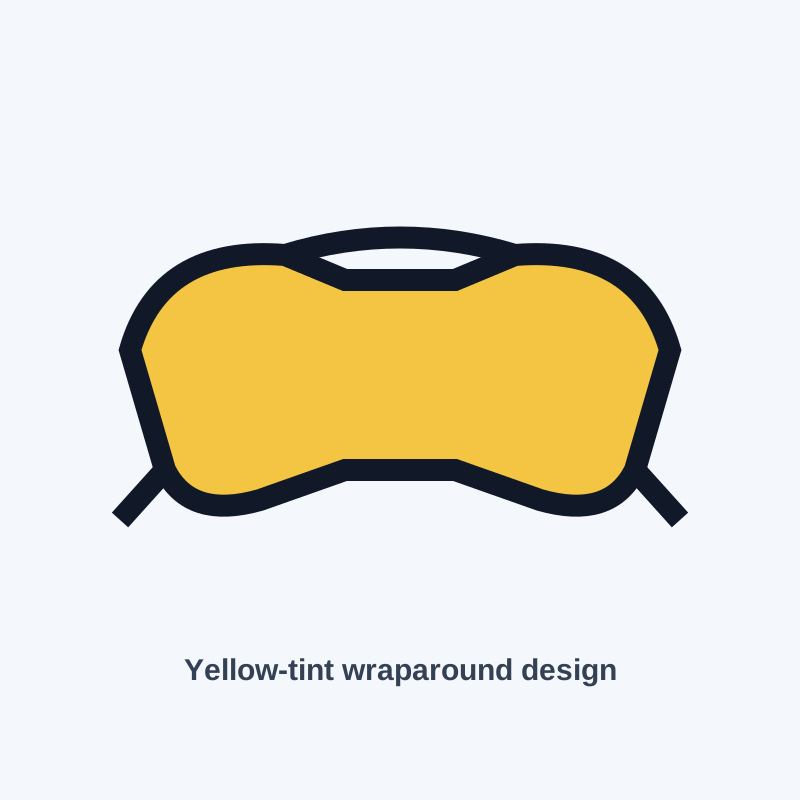
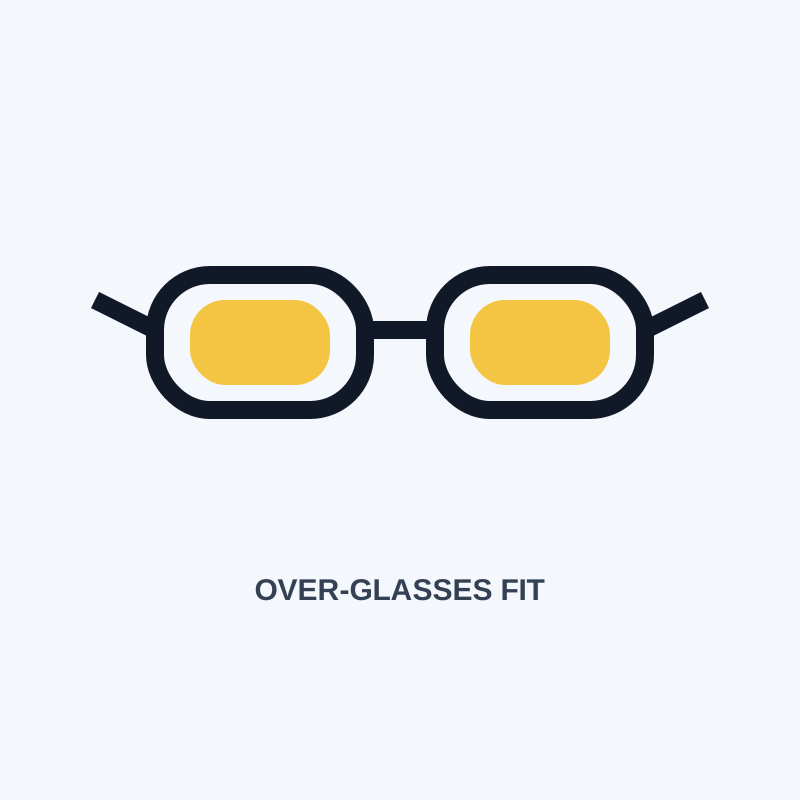

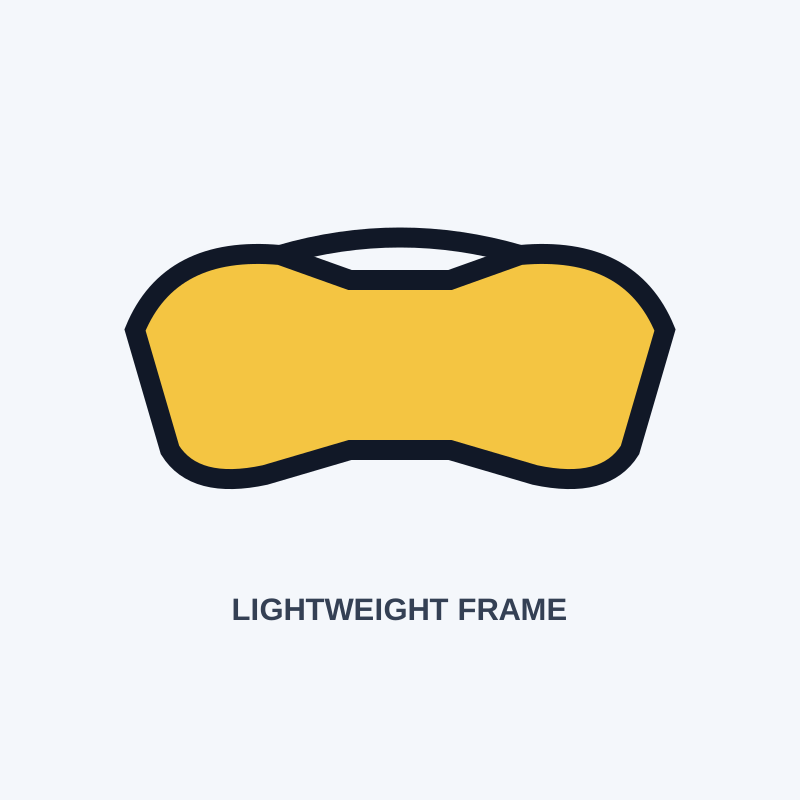
The gallery includes original informational visuals. Always compare the final product, packaging and specifications with the seller's current listing.
Drive Bright Features Explained
1. GlareCut-style yellow lenses
The product is marketed around a proprietary “GlareCut” lens concept. According to the supplied reference material, the lenses are intended to reduce the visual impact of LED and high-beam headlights and make nighttime driving feel more comfortable. The yellow/amber appearance is part of the product's visual identity.
For a buyer, the important point is not the marketing name itself but how the tint affects your own vision. Some people may prefer a warmer appearance and less intense-looking lights, while others may find a tint distracting in very dark conditions. Treat comfort claims as potential benefits rather than guarantees.
2. Wraparound coverage
Drive Bright uses a broad wraparound shape with side lens coverage. The stated purpose is to limit distracting light entering from the sides while keeping the frame comfortable around the face. This can be relevant for drivers who notice glare from side mirrors, streetlights or other peripheral sources.
3. Compatibility with prescription glasses
One useful feature for glasses wearers is the advertised over-glasses design. The seller says Drive Bright can fit over many prescription, reading and myopia glasses. Actual compatibility depends on the size and shape of your existing frames, so check dimensions and fit before ordering if your prescription glasses are unusually large or thick.
4. Lightweight TR90 frame
The reference page describes a TR90 frame as lightweight and impact-resistant. For eyewear intended for longer drives, controlling pressure around the nose and ears is important. A lightweight frame can also be easier to store in a vehicle or carry during travel.
5. TAC lenses and reinforced construction
The seller describes the lenses as reinforced TAC material and mentions reinforced arms and hinges plus a scratch-resistant coating. These specifications are useful because driving eyewear is frequently handled, stored in a car and exposed to temperature changes. Still, “shatterproof” and durability statements should be understood as manufacturer claims rather than a promise that eyewear is indestructible.
6. Designed for low-light conditions
The product is positioned for night driving, fog, rain, overcast conditions and other low-light situations. The practical question is whether the tint remains comfortable in the specific environments where you drive. If a lens makes the overall scene feel too dark, do not rely on it for that situation.
Potential Benefits of Drive Bright
Based on the seller's current descriptions, Drive Bright is intended to offer several practical benefits. These should be understood as advertised or potential benefits, not guaranteed outcomes.
- Less distracting glare: The main purpose is to reduce the perceived harshness of bright headlights and other intense light sources.
- More comfortable evening drives: A tinted lens may make some drivers feel less bothered by bright lights and reflections.
- Side-light coverage: The wraparound shape is intended to limit light entering from peripheral angles.
- Prescription-friendly convenience: The over-glasses format can be useful if you do not want to replace everyday prescription eyewear.
- Lightweight construction: The advertised frame materials are intended to make longer wear more comfortable.
- Useful for changing conditions: The seller positions the product for rainy, foggy and low-light driving environments, although individual results can vary.
Who Might Find Drive Bright Useful?
Drive Bright may be worth considering if you regularly drive after sunset and find modern LED headlights uncomfortable. It may also appeal to people who want dedicated driving glasses that can be worn over existing prescription frames. It can be convenient for commuters, rideshare drivers, frequent road-trippers and people who regularly drive on roads where bright oncoming traffic is common.
Not everyone needs night driving glasses. If you already have comfortable, properly prescribed eyewear and do not experience significant glare, adding another lens may offer little benefit. If your night vision has recently become noticeably worse, buying tinted glasses should not delay a professional eye examination.
Who Should Be Cautious?
Anyone with significant vision problems, persistent night blindness, new halos around lights, double vision, sudden changes in eyesight or other concerning symptoms should seek professional advice. These glasses are not a treatment for cataracts, glaucoma, retinal disease, refractive errors or other eye conditions.
Remember that a yellow or amber tint changes how colors and brightness appear. Before relying on any tinted eyewear for driving, make sure you can comfortably see road signs, traffic signals, pedestrians, cyclists and lane markings.
Drive Bright Pros & Cons
Pros
- Purpose-built for night-driving glare complaints.
- Wraparound design provides broad front and side coverage.
- Advertised to fit over many prescription and reading glasses.
- Lightweight TR90 frame positioning.
- Dedicated option for evening commutes and road trips.
- Seller advertises a 90-day money-back guarantee on the referenced page.
Cons
- Results are subjective and can differ between drivers.
- Yellow tint is not preferred by everyone.
- Does not replace prescription eyewear or an eye exam.
- Fit over large prescription frames may vary.
- Marketing claims should not be confused with independent clinical evidence.
- Prices, promotions, stock and guarantees can change.
Is Drive Bright Worth Considering?
If your biggest complaint about night driving is uncomfortable headlight glare, Drive Bright has a sensible feature set for that use case: a warm-tinted lens, wraparound coverage and an over-glasses design. The product is also positioned as lightweight enough for extended use.
The smartest way to evaluate it is to keep expectations realistic. Night driving glasses do not turn darkness into daylight, correct every eyesight problem or guarantee safer driving. Their value comes down to whether the lens tint and frame design make your particular driving environment more comfortable without reducing your ability to identify important visual information.
For shoppers who are comfortable with those limitations, Drive Bright is a reasonable product to investigate. Before ordering, review the current seller page for the latest price, package options, shipping details, return terms and product specifications.
View Current Drive Bright OfferWhat to Check Before You Buy Drive Bright
Before clicking the purchase button, take a few minutes to check the details that matter most for eyewear. Start with fit. If you already wear prescription glasses, compare their width and height with the seller’s current sizing information. Over-glasses frames need enough room to sit comfortably without pressing against your prescription lenses, eyebrows or cheeks. A good fit should feel stable without creating distracting pressure.
Next, consider where you will actually use the glasses. If most of your driving is on well-lit city streets, your needs may be different from someone who drives on dark rural roads. Pay attention to how a tinted lens affects road signs, lane markings, traffic signals and the overall brightness of the scene. Never assume that a product marketed as “night vision” will make every dark environment easier to see.
It is also worth checking the current seller page for package options, shipping times, return requirements and the exact money-back terms. Online offers can change, and a discount or stock message shown today may not be available later. Save your order confirmation and read the return instructions before discarding packaging.
Finally, consider your own eyesight. If glare is accompanied by frequent headaches, halos, double vision, difficulty seeing pedestrians or a noticeable decline in night vision, an eye-care professional can help identify the underlying cause. Eyewear can sometimes improve comfort, but it should not be used to mask a problem that needs professional attention.
Drive Bright vs. Generic Night Driving Glasses
Generic yellow night-driving glasses can look similar to Drive Bright, so shoppers may reasonably ask what they are paying for. The answer depends on the specific product. Drive Bright’s advertised differentiators include its named lens technology, wraparound design, over-glasses format and stated frame and lens materials. A generic product may offer a similar shape or tint at a lower price, but specifications, fit, coatings and return terms can vary.
Rather than choosing solely on marketing language, compare the actual construction and policies. Look for clear information about lens material, frame material, dimensions, prescription compatibility, returns and customer support. If two products appear visually similar, the better choice may simply be the one that offers the fit and return protection you are most comfortable with.
Drive Bright Night Driving Glasses FAQs
Do Drive Bright glasses help with headlight glare?
The seller markets the lenses specifically for reducing the perceived glare from LED and high-beam headlights. How much benefit you notice depends on your eyes, lighting conditions and personal sensitivity.
Can Drive Bright fit over prescription glasses?
Yes. The product is advertised as an over-glasses design suitable for many prescription, reading and myopia frames. Check the current listing and your frame size for compatibility.
Are Drive Bright glasses suitable for long drives?
The seller describes the frame as lightweight and designed for extended comfort. Individual fit is still important.
Are these ordinary yellow sunglasses?
The product is marketed specifically for low-light/night driving rather than as ordinary sunglasses. The yellow/amber tint is part of its glare-reduction positioning.
Can I use them instead of my prescription glasses?
No. They are not a substitute for prescription lenses. Continue using the prescription eyewear recommended for you.
Do they improve eyesight permanently?
No permanent vision improvement should be assumed. They are eyewear intended to change the visual experience in certain lighting conditions, not a medical treatment.
What materials are advertised?
The reference material describes a TR90 frame and reinforced TAC lenses, along with reinforced arms and hinges and a scratch-resistant coating.
What is the return policy?
The supplied reference page advertises a 90-day money-back guarantee, with shipping and handling caveats. Verify the current terms directly on the seller's page before ordering.
How much do Drive Bright glasses cost?
Pricing and promotions can change. Check the current seller page before purchasing rather than relying on an old advertised price.
Should I see an eye doctor if night driving is difficult?
Yes. Persistent or worsening difficulty seeing at night can have many causes. Tinted eyewear should not replace an eye examination, particularly if you notice new or significant vision changes.
Want to Check the Current Drive Bright Offer?
Review the latest product details, pricing, package options, shipping and guarantee directly from the seller.
Check Drive Bright Now